I Almost Didn’t Launch My First Product
How perfectionism kept me stuck — and what finally made me move

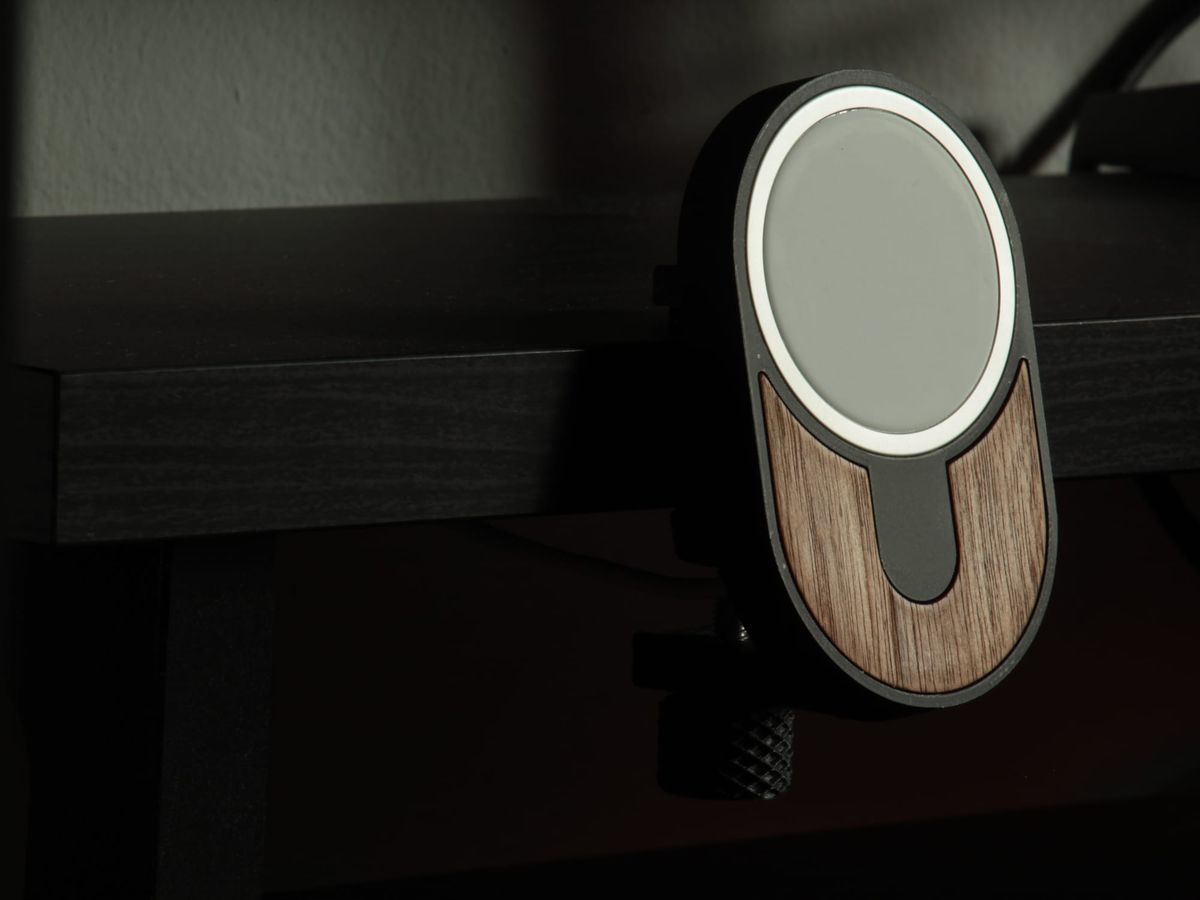
I wanted to reflect on the journey behind NODO, the first product I made, and how it evolved from just an idea to the first unit sold on September 30th, 2024.
Not because it’s perfect.
But because it almost never happened.
Designing and selling a product in your free time can feel intimidating. I hope this can be useful for anyone trying to do something similar.
Looking back, the surprising part isn’t that it sold.
It’s how long I spent not letting it sell.
Writing this is also a mental exercise for me — to avoid getting stuck like that again.
Read along if you're also a maker wanting to monetize one of your precious creations using digital fabrication.
First, what is it?
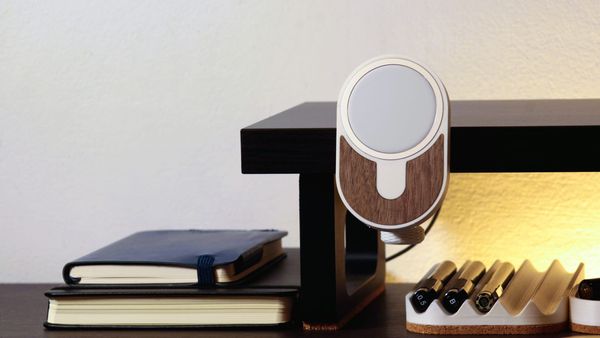
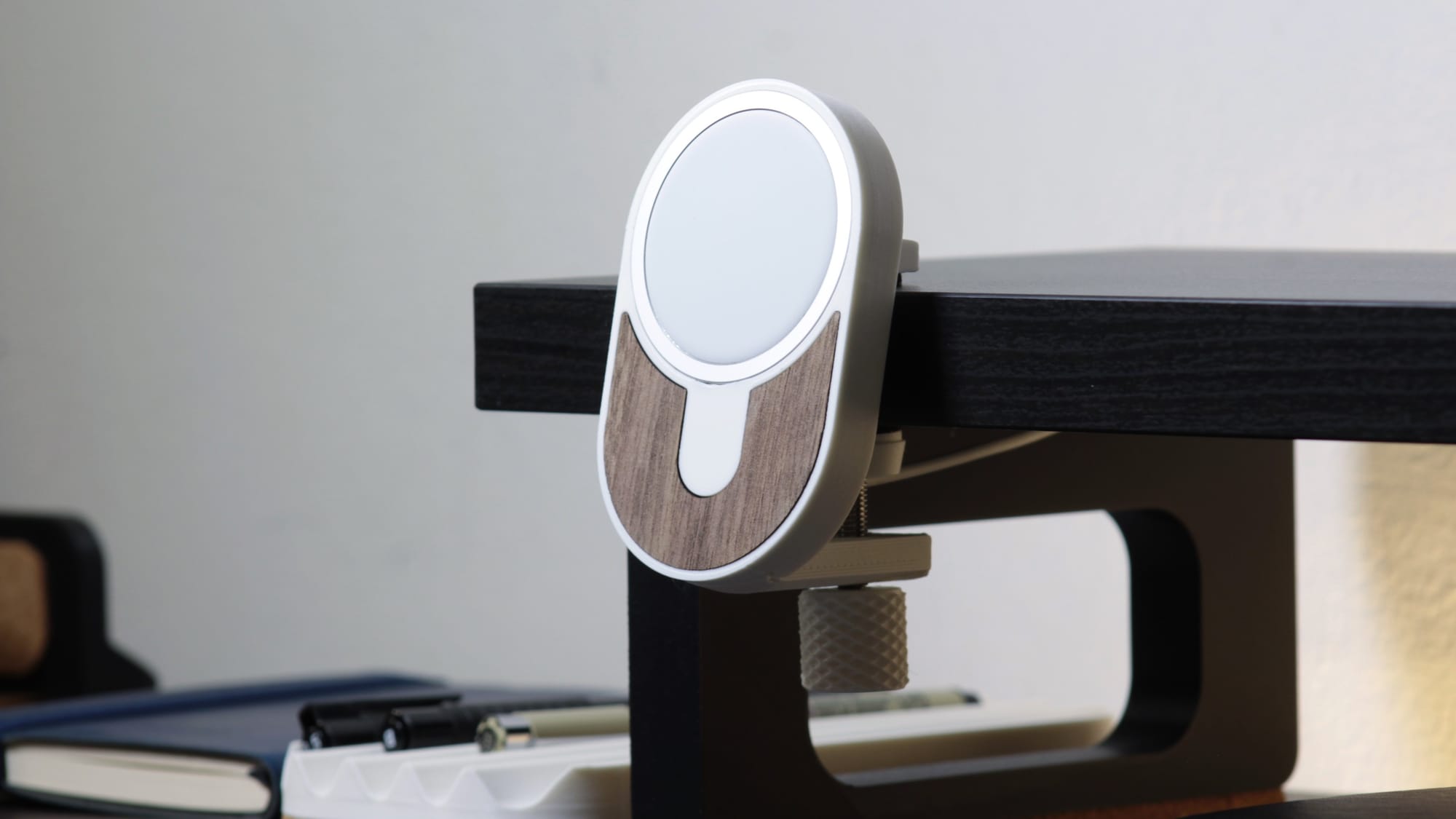
NODO is a MagSafe holder clamp. It attaches to a desk shelf or monitor riser and lets you dock and undock your phone with one hand.
For me, the most important thing was to set it apart from typical “3D-printed products”.
It is a premium desk accessory that happens to be partially 3D-printed.
The backstory
Back in March 2024, I was deep into improving my desk setup.
I wanted:
- Fewer cables
- More space
- Less friction
Looking at clean workspaces for inspiration, I noticed many people had wireless chargers, which simplified things a lot.
When I tried a MagSafe charger, I loved the idea.
But the experience felt incomplete.
I liked how the charger attached securely to the back of the phone, but it also just floated around.
Every time I wanted to grab my phone, I needed two hands. So the cable problem wasn't really fixed.
I wanted something that stayed in place — something that made the interaction feel effortless.
Slow-cooking design
The first prototype was that: a prototype. An ugly one.
I made it just to check dimensions and see how it felt in real life.
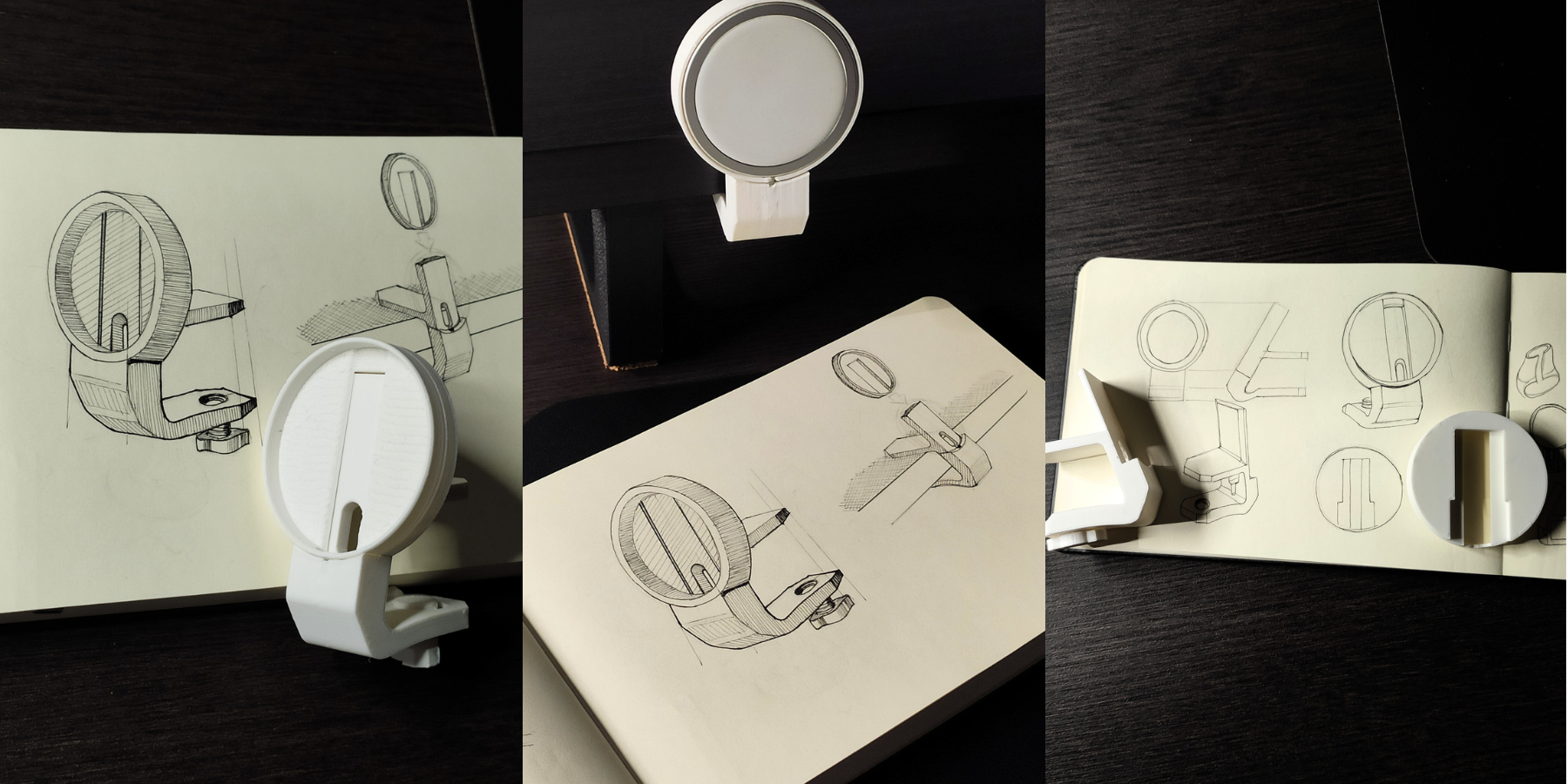
I learned a lot from it. It gave me clarity.
I understood:
- The geometry
- The interaction
- What worked
And more importantly:
What I hated the most: the 3D printed threads.
The obsession
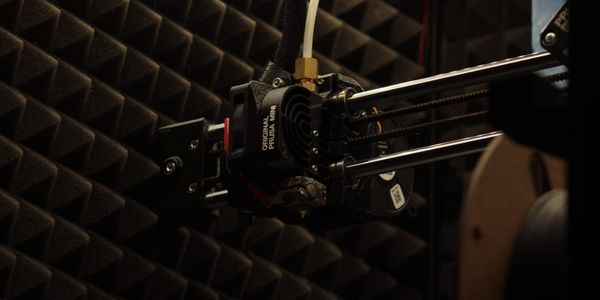
I wanted to solve the problem using 3D printing to make a good product, that I could still make at home. But I just couldn't imagine selling it with 3D-printed threads.
Granted, the thumbscrew design I made for that first iteration wasn’t particularly user-friendly, but I disliked the idea of using 3D-printed threads in general.
Don't get me wrong, I've designed and used some very functional threads before, but in this particular case, it didn't match the kind of object I wanted to make.
I didn’t want:
a cool 3D-printed gadget
I wanted:
a premium object that happens to be 3D-printed
That small shift changed everything.
I was also inspired by existing products that combine 3D-printed parts with metal components where precision or durability is needed.
For example, Bondtech extruders.
So I went down the rabbit hole of finding ways to include non-printed components and elevate the design to a more premium standard.
For 7 months. Working a couple of hours at night. Iterating slowly.
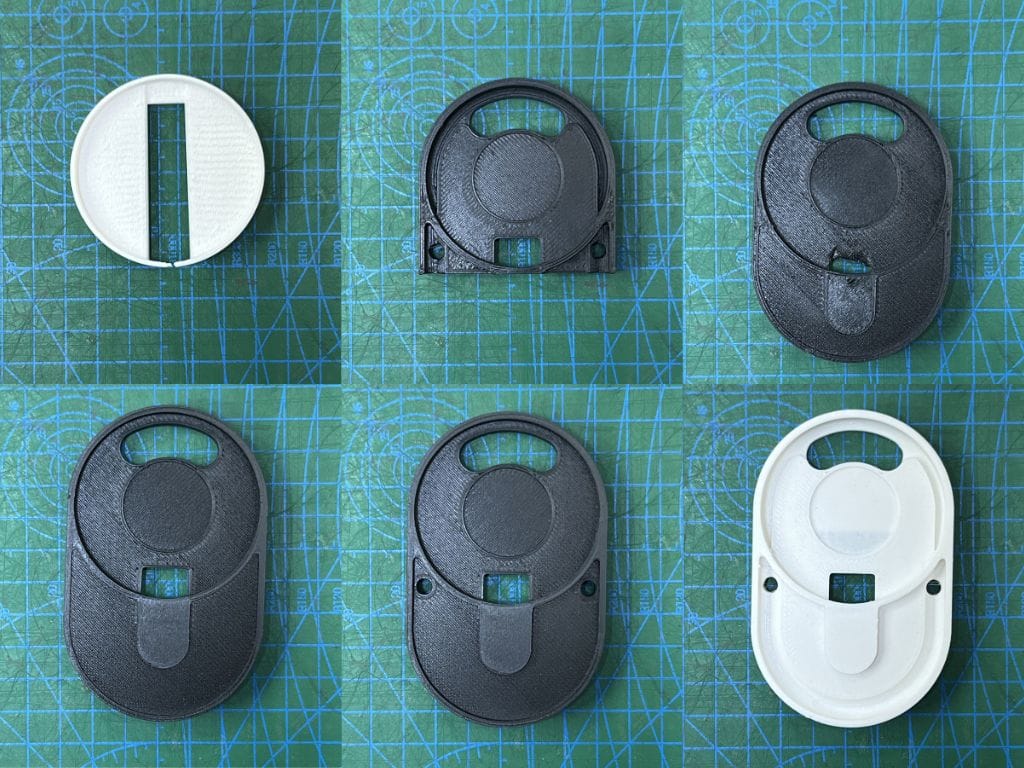
I did make some major improvements over time, but it was never “ready enough”.
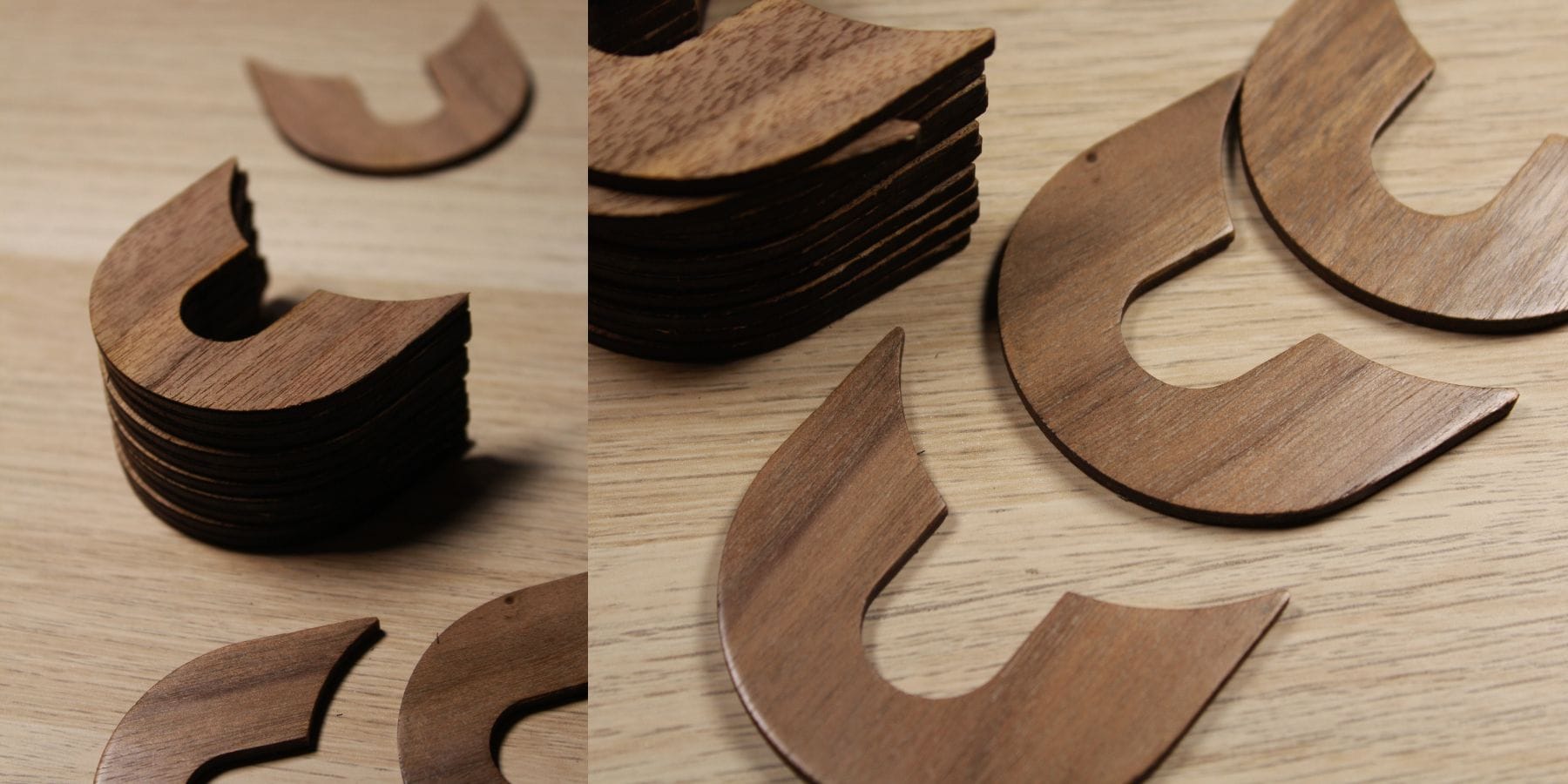
I even bought a laser cutting machine, to make the front accent pieces out of veneered plywood.
I ended up learning how to sand them and finish them with beeswax for a cleaner look.
After a few experiments, I also found a hack to make full-metal, AISI 304 stainless steel threads: I used some 3D-printed parts with a combination of hollow screws and nuts.
They weren't designed for this application, and each one cost more than all the filament in the product.
But they were the right size and still way cheaper than ordering custom thumbscrews with a thrust pad. If it worked, I could order in bulk and reduce the costs substantially.
Still — it worked.
For the first time, the product felt right.
The real problem
At this point, the real problem wasn’t the design.
It was already good enough to sell.
But I didn’t.
I kept “refining”. Tweaking. Improving small things.
Comparing shipping prices and material costs in a huge Excel file. Looking at cardboard box sizes. Thinking about which photos to include in the listing.
Telling myself:
“just a bit more and then I’ll launch”
or
“Once I finish setting up the store and all the fulfillment process, I'll start”
For months.
Until I realized people out there were already interested in it.
As soon as I accepted that, everything became a lot faster for me.
The catalyst: feedback
Posting on Reddit and social media helped me to gauge the interest around it.
To test the waters, I shared it as a 3D-printable design at first.
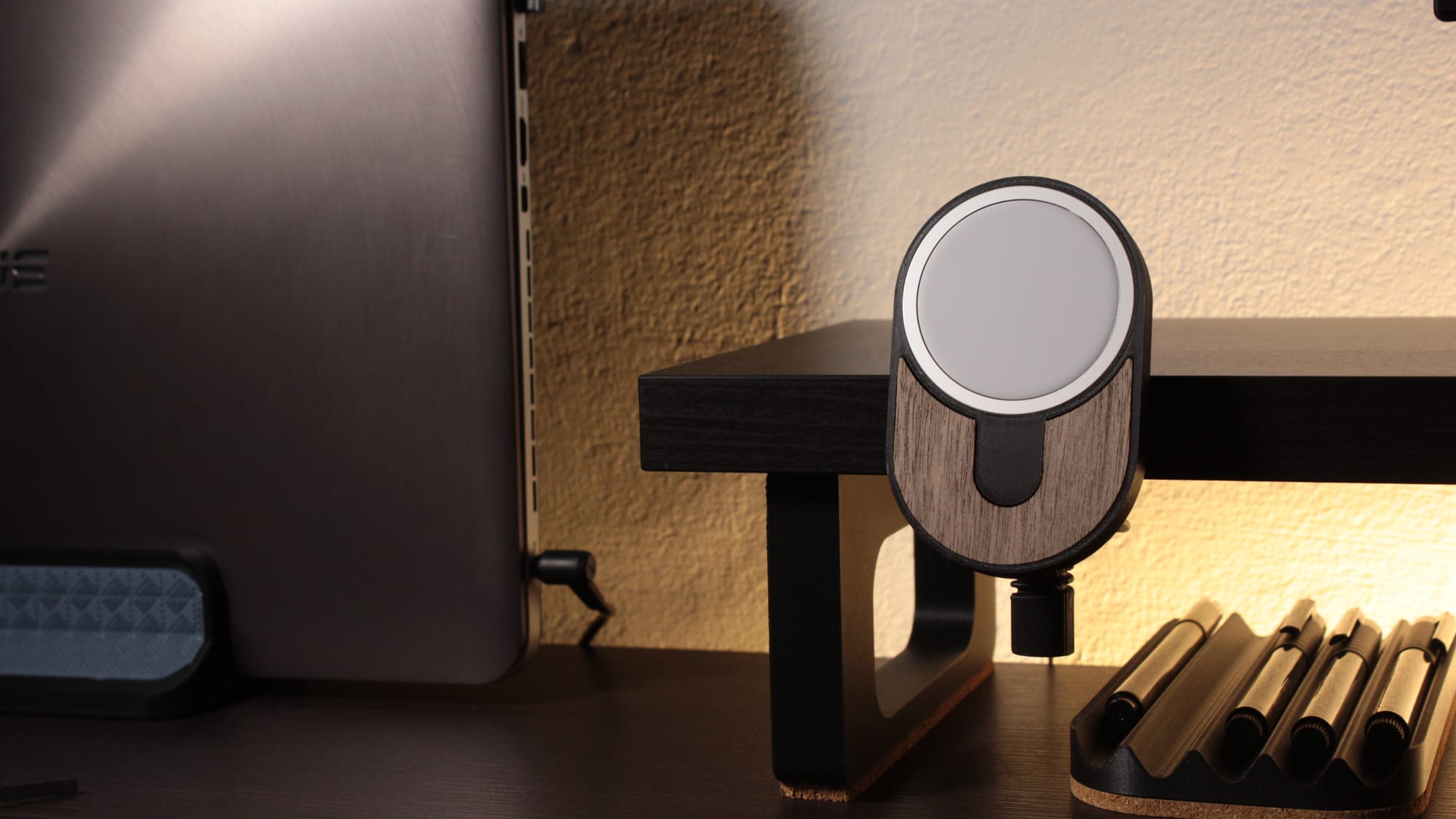
When I posted a video of the latest prototype, complete with a wooden accent piece, people reacted positively and someone asked:
Where can I buy this?
They wanted a finished product, because they didn't have a 3D-printer. They even insisted.
That was my signal, I discarded all the excuses
Everything sped up
I had been “setting up my Etsy store” for months.
After that, I finished everything in a few days.
I remember it very clearly:
I posted it on Wed, Sep 18, 2024, at 08:12 am.
The first order on Etsy was placed on Mon, Sep 30, 2024, at 3:45 am.
From the US.
The second order came from the UK.
I live in Italy.
The things I thought were hard… weren’t
In less than 2 weeks, I figured out:
- Listing descriptions + photos
- Pricing
- Packaging
- Shipping + customs
Done.
Not perfectly, but done.
Things Designs was live on Etsy.
The product didn't even have a name; it was called "MagSafe holder clamp", "MagSafe phone holder clamp", and variations of that.
I messaged back those who asked about it, and they ordered immediately. They weren't kidding.
I still couldn't believe it.
People on the other side of the world were paying for something I made at home.
The embarrassing part
I priced it too low.
Offered free shipping.
Probably lost money on the first orders.
I didn't care: my goal was to get the product in the hands of actual customers and get feedback.
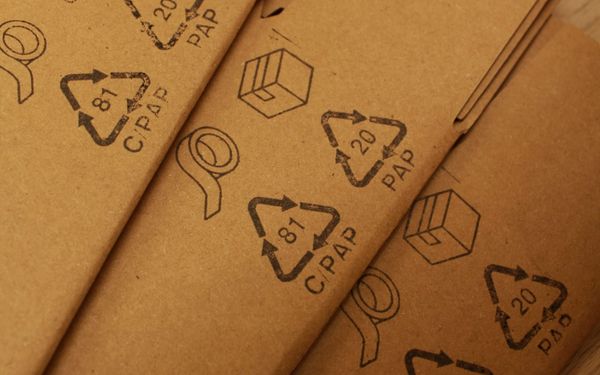
Also, because of the good old imposter syndrome, I rushed to design a custom packaging insert made of recycled cardboard boxes, so that a €30 product wouldn't look like garbage.
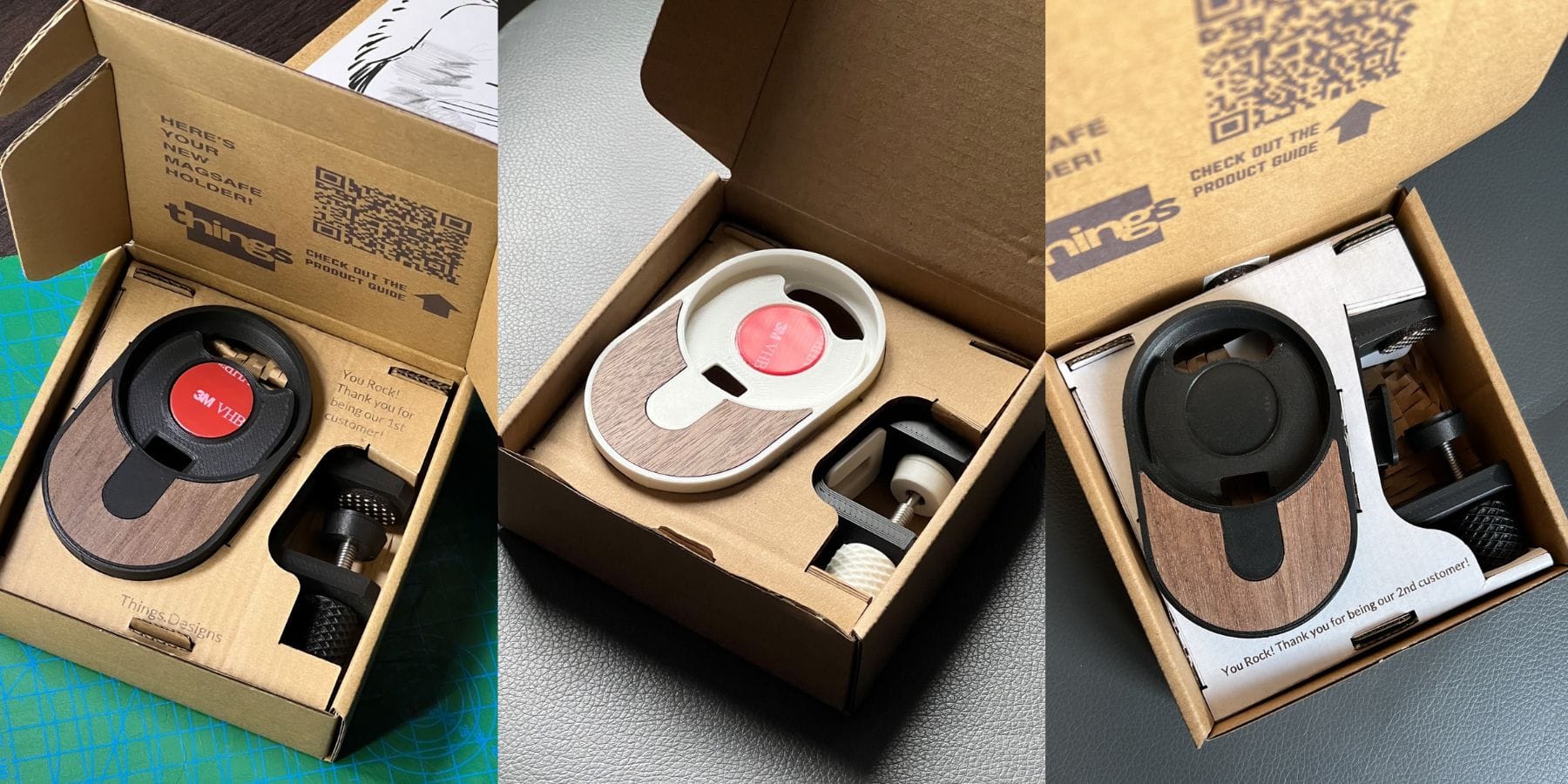
Yeah... that was still a bit of perfectionism there.
The unexpected upside
In the first month:
- 12 orders
- 1 repeat customer
- 5 reviews (all 5 stars)
Looking back, the extra care in packaging probably helped.
I believe the overall out-of-the-box experience made a difference in terms of how the product was perceived by those initial customers who decided to give a chance to a brand new store from across the globe.
Also, the “pack an order with me” videos on Instagram got traction.
So here’s the nuance:
Perfectionism hurts you before you start.
But a small dose can help once you’ve started.
The real lesson
Perfectionism wasn’t about quality.
It was about uncertainty.
As long as I didn’t know if people wanted it, I kept improving the design to compensate.
And I kept finding excuses not to launch.
Once I knew, I moved fast.
Perfectionism was also fear. Fear of not being enough.
I was afraid customers wouldn't think the product was good enough for the price they paid, so I did as much as I could to improve their experience.
In the process, I positioned it as a more premium product, which helped establish the brand identity of Things Designs.
PS: The funny part is… nothing about the product changed when it started selling. Just my mindset.
What I’d do differently today
I wouldn’t wait months before launching a new store or product.
I would:
- Prototype faster
- Share earlier
- Look for signals sooner
Because the moment someone shows interest…
That’s when you know that you are working on the right thing.
It doesn't matter if it is
- Half-finished
- Not perfect
- “Almost ready”
Getting feedback early on is praised everywhere, but sometimes we forget it because we are too invested in our ideas or too scared.
I’m still figuring this out as I go.
I still overthink things. I still get stuck sometimes.
But at least now I recognize it faster.
If you’re in that phase right now, I hope this helps you move a little sooner than I did.
Thanks for reading,
Luis
I’m sharing more of these behind-the-scenes lessons as I build Things Designs.
If that’s something you’re into, you can follow along here.